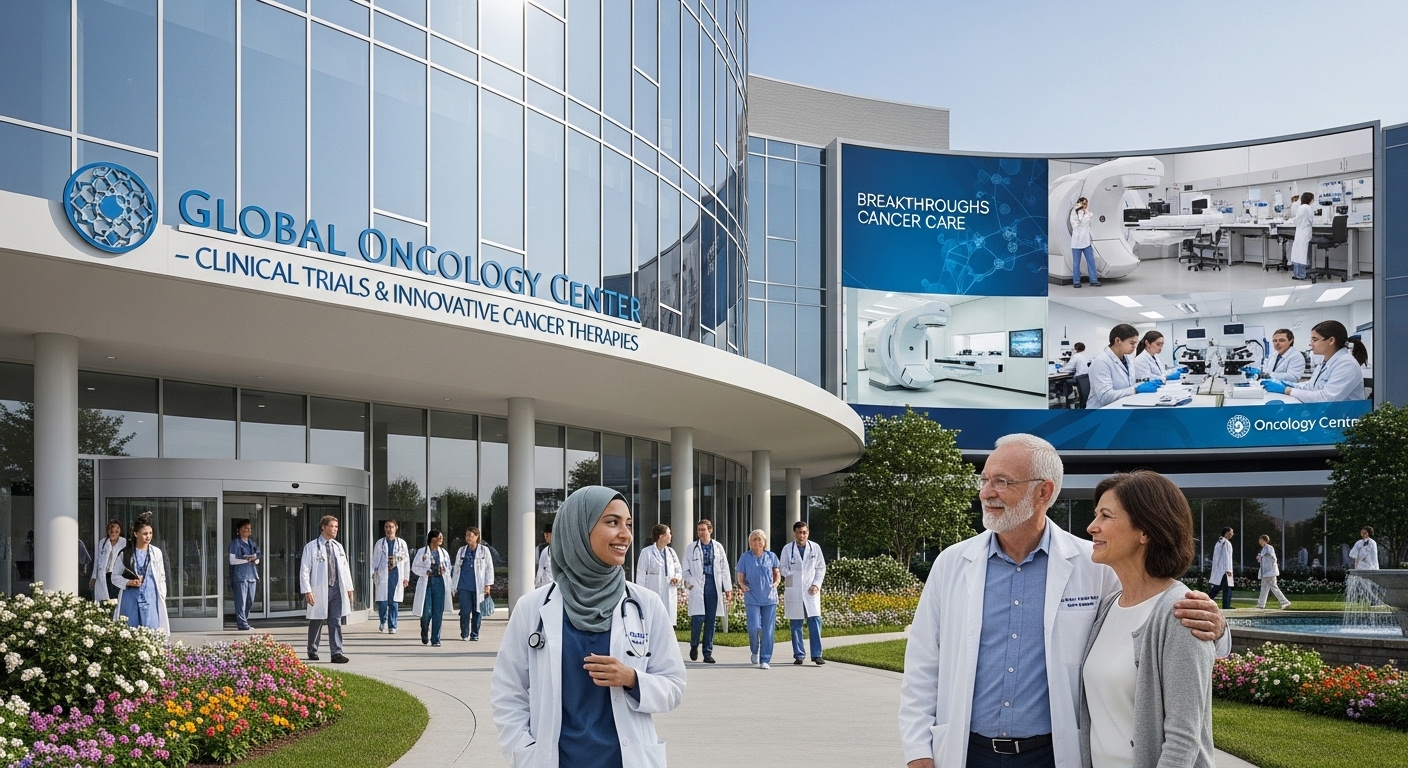
Cancer treatment centers, especially those specializing in oncology and clinical trials, represent a goldmine for smart healthcare marketers. Their patients often return for years of follow-up care, generating massive lifetime value.[hcpassociation.com]
Top US Cancer Centers in 2026
Leading the pack is the University of Texas MD Anderson Cancer Center in Houston, which has held the #1 spot in U.S. News & World Report’s rankings for over a decade, thanks to stellar patient outcomes and expert staffing. Right behind it sits Memorial Sloan Kettering Cancer Center (MSKCC) in New York, renowned for molecular profiling and surgical innovations that keep patients coming back.oncologynewscentral+1
Dana-Farber Brigham Cancer Center in Boston ranks third, excelling in hematologic malignancies and pediatric cases with integrated trial programs. Mayo Clinic-Rochester and Massachusetts General Hospital round out the top five, both boosting their scores through unified quality strategies and research-driven care. These centers aren’t just hospitals; they’re hubs where cutting-edge oncology meets long-term patient relationships, driving repeat visits that stack up serious revenue.[oncologynewscentral]
For the full 2025-2026 rankings, check out the official U.S. News & World Report cancer hospital list.[oncologynewscentral]
Why Clinical Trials Boost Lifetime Value
Specialized oncology hospitals shine brightest through their clinical trial programs, which hook patients into lifelong care journeys. Places like MD Anderson run hundreds of Phase I-III trials yearly, from first-in-human studies to biomarker-driven therapies, pulling in patients who stay for monitoring and adjuvant treatments. Dana-Farber leads in blood cancers, while MSKCC pushes real-time imaging trials that demand ongoing follow-ups.ccrps+1
This isn’t one-and-done; trial participants often transition to standard care at the same center, extending their lifetime value (LTV)—the total revenue from a single patient over years. In healthcare, LTV can hit tens or hundreds of thousands per patient due to chronic management, chemo cycles, and surveillance scans. Retention strategies like automated check-ins cut churn by 28%, turning a $112 SEO lead into $6,200 LTV. For oncology, where 5-year survival means lifelong ties, that multiplies fast.[hcpassociation.com]
Explore active trials at MD Anderson’s clinical trials page.[mdanderson]
Calculating Patient Lifetime Value in Oncology
Figuring LTV starts simple: multiply average revenue per patient-year by expected retention years, minus acquisition costs. For cancer centers, revenue per visit might be $5,000-$20,000 for infusions or scans, with patients averaging 3-10 years post-diagnosis. High-value chronic cases—like breast or prostate cancer survivors—yield 4.7:1 LTV ratios or better.[hcpassociation.com]
Factors amp it up: Trial enrollment adds $10,000+ per protocol in sponsor fees, plus loyalty. Satisfied patients (high NPS) stick 11% longer and refer family, boosting LTV 156% via networks. Oncology’s edge? Patients rarely shop around; trust in specialized centers locks them in. A no-show reducer like online scheduling protects $1,840 per reactivated patient.[hcpassociation.com]
| Metric | Oncology Average | General Healthcare |
|---|---|---|
| Retention Years | 5-15 [hcpassociation.com] | 2-5 |
| Annual Revenue/Patient | $15K-$50K [hcpassociation.com] | $2K-$10K |
| LTV:Acquisition Ratio | 25x-55x [hcpassociation.com] | 5x-10x |
| Churn Reduction via Retention | 28% [hcpassociation.com] | 15% |
Marketing Tactics for High-LTV Patients
Target high-LTV prospects with SEO around “clinical trials for [cancer type]”—it draws motivated searchers ready for long hauls. Content like survivor stories builds EEAT, signaling expertise that Google loves and patients trust. Social ads work too, but at $189 CAC vs. SEO’s $112, prioritize organic for 55x ROI.semrush+1
Email nurtures post-consult: Periodic check-ins double rehab adherence, adding years to LTV. Community events foster empathy, costing $68 per patient but yielding $3,100 value. For trials, partner with pharma for co-branded webinars—low cost, high retention.[hcpassociation.com]
Personalization wins: Segment by cancer stage; early-stage patients have 10x LTV potential over late-stage. Compliance matters—HIPAA-friendly journeys map touchpoints to LTV spikes, like pre-appt reminders slashing no-shows 19%.fonconsulting+1
Dive deeper into LTV formulas at HCP Association’s guide.[hcpassociation.com]
Real-World Examples from Leaders
Take MD Anderson: Their trial pipeline dominates solid tumors, with disease-specific departments ensuring patients loop back for years. President Peter Pisters credits team dedication for #1 rankings, translating to unmatched LTV via outcome-focused care. MSKCC’s CEO Selwyn Vickers emphasizes breakthrough research, fueling biomarker trials that bind patients long-term.
Dana-Farber’s Harvard ties enable pediatric excellence, where families become multi-decade loyalists. City of Hope stands out for cell therapies in underserved groups, with home nursing extending access and retention. These aren’t flukes—U.S. News weights outcomes 60-70%, proving LTV ties directly to survival stats that attract more patients.dana-farber+1
Global players like Tata Memorial in India mirror this, fast-tracking trials for head/neck cancers with massive recruitment.[ccrps]
Challenges and How to Overcome Them
High LTV comes with hurdles: Drug shortages barely dented rankings, but they test resilience. Competition from general hospitals erodes share, so differentiate via trials—only top centers host Phase I powerhouses.[ccrps]
Patient churn from poor empathy? Counter with “pay attention” basics: No long waits, active listening. Marketing budgets strain under $189 CAC; shift to content/SEO for sustainability. Measure everything—track NPS to LTV correlations for tweaks.fonconsulting+1
Unlocking Growth Through Specialization
Cancer centers with robust oncology and trials aren’t just healing; they’re building revenue empires on patient loyalty. Mastering LTV means viewing every consult as a 10-year bond, not a transaction. For marketers, it’s about empathy-fueled strategies that turn survivors into advocates. In 2026, as precision medicine booms, these hubs will thrive by proving value one patient at a time.